
Last 10 Nights of Ramadan: Odd Nights
Why the last 10 nights of Ramadan matter, the 5 odd nights in 2027, how itikaf works, and a simple nightly worship plan to seek Laylat al-Qadr.
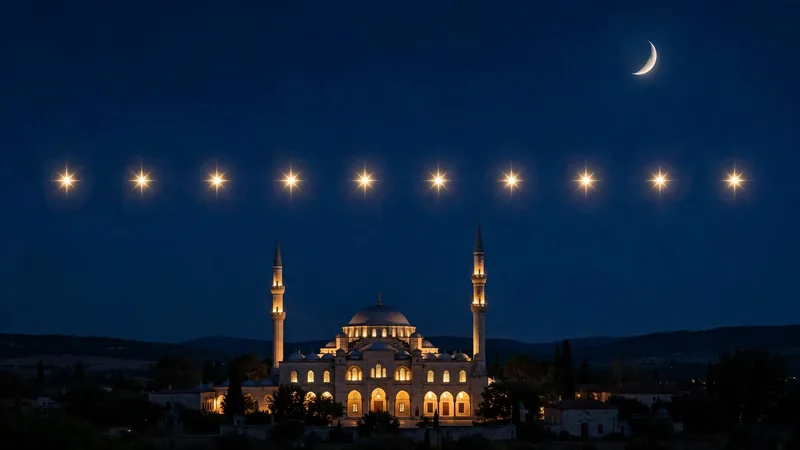
The last 10 nights of ramadan are the most precious nights of the year. The Prophet Muhammad (peace be upon him) would tighten his efforts in worship during these nights in a way he did not at other times, as narrated in Sahih al-Bukhari. Hidden within them is Laylat al-Qadr, the Night of Decree, which the Quran describes as better than a thousand months. In 2027, these nights fall in the final stretch of Ramadan, from late February into early March. This guide explains why they matter, lists the five odd nights, explains itikaf, and gives you a simple worship plan.
Why the Last 10 Nights of Ramadan Matter
Ramadan is a month of mercy, but its last ten nights carry a special rank. Three facts explain why:
- Laylat al-Qadr is among them. The Quran says the Night of Decree is better than a thousand months (Surah Al-Qadr). Worship on that one night outweighs more than eighty years of worship.
- The Quran was revealed then. Allah says the Quran was sent down in Ramadan, and specifically on the Night of Decree (Surah Al-Baqarah, Surah Ad-Dukhan). These nights mark the anniversary of revelation.
- The Prophet doubled his efforts. Aisha (may Allah be pleased with her) reported that when the last ten nights began, the Prophet would stay up at night, wake his family, and exert himself in worship, as narrated in Sahih al-Bukhari and Sahih Muslim.
The exact night is not fixed, which is itself a mercy. It pushes the believer to seek it across all ten nights instead of coasting through nine of them. Our dedicated guide to Laylat al-Qadr 2027 goes deeper into the signs and virtues of the night itself.
The 5 Odd Nights in 2027
The Prophet (peace be upon him) advised seeking Laylat al-Qadr in the odd nights of the last ten, as narrated in Sahih al-Bukhari. With Ramadan 1448 expected to begin on February 8, 2027, the five odd nights begin at sunset on these dates:
- 21st night: begins at sunset on Saturday, February 27, 2027
- 23rd night: begins at sunset on Monday, March 1, 2027
- 25th night: begins at sunset on Wednesday, March 3, 2027
- 27th night: begins at sunset on Friday, March 5, 2027
- 29th night: begins at sunset on Sunday, March 7, 2027
Some calendars list these nights by the daytime date that follows (February 28, March 2, March 4, March 6, March 8). The worship itself happens in the night hours after sunset. Remember that the 27th night is the most commonly hoped-for, but the Prophet's instruction covers all five, and many scholars advise treating every one of the last ten nights as a candidate. If the month begins a day later in your community, shift each date by one day. Check our Ramadan 2027 hub for the confirmed calendar as the month approaches.
Itikaf in Ramadan: Explained Simply
Itikaf is the practice of secluding oneself in the mosque for worship during the last ten days of Ramadan. The word comes from an Arabic root meaning to devote oneself to something. The person in itikaf, called a mu'takif, stays in the mosque day and night, leaving only for genuine needs, and spends the time in prayer, Quran recitation, dua, and remembrance of Allah.
The Prophet (peace be upon him) observed itikaf every Ramadan, as narrated in Sahih al-Bukhari. It is a confirmed sunnah, strongly recommended but not obligatory. Here is what to know:
- When: it begins before sunset on the 20th day of Ramadan (in 2027, the evening of February 26) and ends when the Shawwal moon is sighted or Ramadan completes thirty days.
- Where: in a mosque where the five daily prayers are held. This is the position of the majority of scholars.
- What breaks it: leaving the mosque without a genuine need, such as buying food or using facilities not available inside. Short necessary exits are allowed.
- Women: scholars differ on whether women should observe itikaf in the mosque or at home. Many mosques now arrange safe, separate spaces for women. A woman should check with her local mosque and her family circumstances.
- Partial itikaf: if ten full days are not possible, spending even a night or a weekend in the mosque with the intention of itikaf is rewarded. Do not let perfection stop you from doing something.
If your mosque organizes itikaf, register early. Spots are limited, and mosques need to plan food and sleeping arrangements.
A Simple Worship Plan for the Last 10 Nights
You do not need a complicated schedule. The best plan is the one you will actually follow. Here is a practical nightly routine:
- Pray Isha and Taraweeh in congregation. The Prophet (peace be upon him) said that whoever prays qiyam (night prayer) with the imam until he finishes, it is recorded as a full night of prayer, as narrated in Sunan al-Tirmidhi. If you are unsure how to pray it, read our guide on how to pray taraweeh and how many rakats are in taraweeh.
- Read Quran with understanding. Even a few pages with translation outweighs rushing through many pages without reflection.
- Make dua from the heart. The last third of the night is an especially accepted time for supplication. Ask for yourself, your family, and the ummah.
- Give charity each night. A small nightly donation guarantees that one of your donations lands on Laylat al-Qadr. Automate it if your charity allows.
- Remember Allah. Simple dhikr like SubhanAllah, Alhamdulillah, and Allahu Akbar, repeated with presence of mind, fills the gaps between prayers.
- Rest wisely. Sleep after taraweeh and wake for tahajjud if you can. A rested worshipper with focus beats an exhausted one going through motions.
The Laylat al-Qadr Dua
Aisha (may Allah be pleased with her) asked the Prophet (peace be upon him) what to say if she knew which night was Laylat al-Qadr. He taught her this dua, as narrated in Sunan al-Tirmidhi:
Arabic: اللَّهُمَّ إِنَّكَ عَفُوٌّ تُحِبُّ الْعَفْوَ فَاعْفُ عَنِّي
Transliteration: Allahumma innaka afuwwun tuhibbul-afwa fa'fu anni.
Meaning: "O Allah, You are Forgiving and love forgiveness, so forgive me."
Repeat it often in the last ten nights, especially in sujood (prostration) and the final part of the night. Our dua for Laylatul Qadr page has the full text, transliteration, and meaning. It is short enough for children to learn and deep enough to carry a lifetime of hope.
Frequently Asked Questions

Check Today's Verified Prayer Times in Your City
Access real-time Fajr, Dhuhr, Asr, Maghrib, and Isha times calibrated with GPS coordinates and ISNA standards across 189+ American cities.