
Can I Pray Isha After Midnight? - PrayerTimesUSA
Understanding the exact time limits for the Isha prayer. When does Isha time end, and is it permissible to pray Isha after Islamic midnight?
Can I Pray Isha After Midnight?
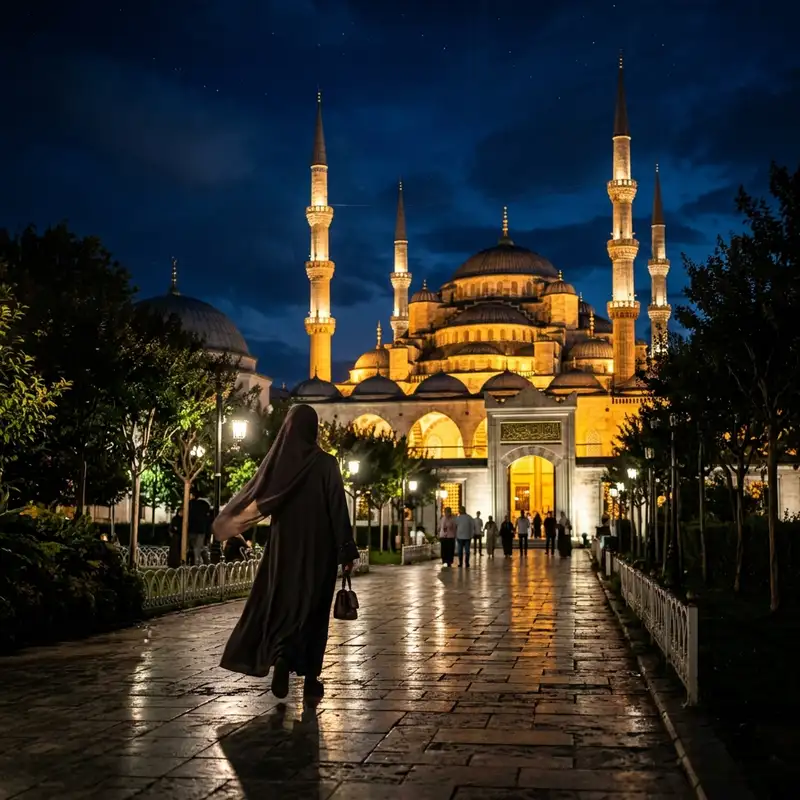
The Isha prayer has the longest window of time among the five daily prayers, beginning after the red twilight (Maghrib) disappears from the sky. However, there is significant confusion about exactly when this window closes. Can you pray Isha right up until Fajr, or is the cutoff at midnight?
What is "Islamic Midnight"?
Before answering the question, it is vital to understand that Islamic midnight is not necessarily 12:00 AM on the clock. Islamic midnight is exactly the halfway point between the time of Maghrib (sunset) and the time of Fajr (true dawn). For example, if Maghrib is at 6:00 PM and Fajr is at 6:00 AM, Islamic midnight is exactly 12:00 AM. But if Maghrib is at 8:00 PM and Fajr is at 4:00 AM, midnight would be 12:00 AM. You must calculate it based on your local prayer times.
The Cutoff for Isha Prayer
There are two distinct periods for the Isha prayer:
- The Preferred Time (Waqt al-Ikhtiyar): This is from the start of Isha until Islamic midnight. It is highly recommended to pray Isha before midnight. The Prophet (PBUH) said: "The time of 'Isha' is until midnight." (Muslim).
- The Time of Necessity (Waqt al-Idtirar): According to the majority of scholars (including the Shafi'i and Hanbali schools), the absolute final cutoff for Isha is the beginning of Fajr. However, delaying it past midnight without a valid excuse (like work, illness, or sleep) is considered disliked (Makruh) or even sinful by some scholars.
What Should You Do?
You should always strive to pray Isha before the Islamic midnight. If you accidentally fall asleep or are forced to delay it due to extreme circumstances, you can validly pray it after midnight, as long as you complete it before the Fajr Adhan. However, making a habit of delaying Isha past midnight is discouraged.
Related Islamic Guides & Tools
Check Today's Verified Prayer Times in Your City
Access real-time Fajr, Dhuhr, Asr, Maghrib, and Isha times calibrated with GPS coordinates and ISNA standards across 189+ American cities.
Check Today's Verified Prayer Times in Your City
Access real-time Fajr, Dhuhr, Asr, Maghrib, and Isha times calibrated with GPS coordinates and ISNA standards across 189+ American cities.

Check Today's Verified Prayer Times in Your City
Access real-time Fajr, Dhuhr, Asr, Maghrib, and Isha times calibrated with GPS coordinates and ISNA standards across 189+ American cities.