
Ramadan Moon Sighting 2027: How It Works
How the Ramadan 2027 moon sighting works: expected dates, who announces it in the US, the moon-sighting dua, and why dates can shift by a day.
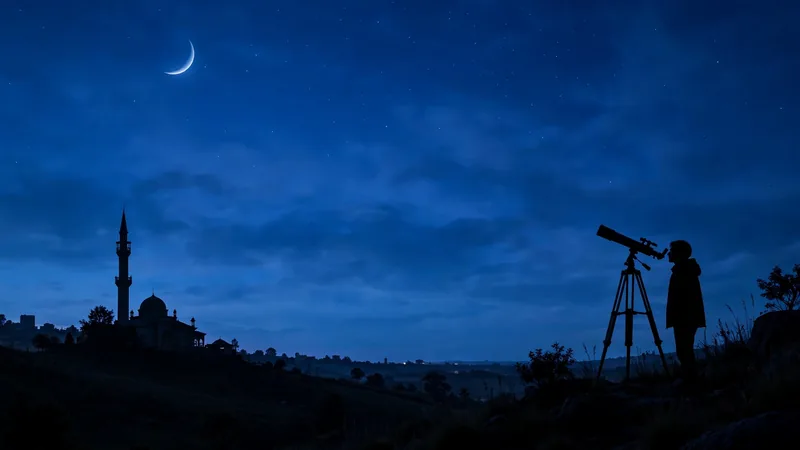
The ramadan moon sighting 2027 will decide when Muslims across the United States begin fasting. On the evening of Sunday, February 7, 2027, the thin new crescent of Ramadan is expected to be visible after sunset. If it is seen or reliably reported, the first fast begins on Monday, February 8. If it is not seen, the month of Sha'ban completes thirty days and fasting starts on Tuesday, February 9. This short guide explains how the hilal is sighted, why the date can move by a day, who announces it in America, and the dua to read when you see the new moon.
What Is the Ramadan Moon Sighting?
Hilal is the Arabic word for the new crescent moon. Islam uses a lunar calendar, so every month begins when the hilal of that month is sighted. Ramadan, the ninth month, is no different. The Prophet Muhammad (peace be upon him) said, "Fast when you see it and break your fast when you see it," as narrated in Sahih al-Bukhari. This single sentence is the reason millions of Muslims watch the western sky on the 29th evening of Sha'ban each year.
The sighting is a simple act with deep meaning. It connects the fast to a natural event that everyone can witness. It also explains why Ramadan moves about eleven days earlier each year on the solar calendar. A lunar year is roughly 354 days, so the month slides through the seasons over time. In 2027 Ramadan falls in February and March, which means short, cool fasting days for most of the United States.
How the Hilal Is Actually Sighted
Learning how is ramadan moon sighted helps you understand why announcements sometimes differ. The process follows the same pattern in most communities:
- Timing: Observers go out just after sunset on the 29th day of the current month. For Ramadan 1448, that is the evening of February 7, 2027.
- Direction: They face west, where the sun has just set, and scan the horizon for a faint sliver of light.
- Eyesight: The classic method is naked-eye sighting. Telescopes and binoculars are widely accepted by scholars as aids, but the sighting must be a real sighting, not a photograph.
- Witnesses: Traditionally, a trustworthy Muslim witness confirms the sighting. Local mosques and committees collect reports before making an announcement.
- Conditions: Clear skies, a high enough moon, and enough time between sunset and moonset all matter. Haze, clouds, or a moon that sets minutes after the sun can hide the crescent even when it is technically there.
If the crescent is not seen, the rule is straightforward: the current month completes thirty days. That is why a cloudy evening in your city can delay Ramadan by one day even when the moon was visible elsewhere. It also explains why two mosques in the same area sometimes start on different days. One may follow local sighting while the other follows a sighting reported from another region or country.
Calculation Versus Sighting: Why Scholars Differ
Astronomers can predict the new moon to the minute. Some Muslim bodies, including the Fiqh Council of North America, therefore use calculation to set the calendar for the whole year. Most mosques in the United States follow this calculated calendar, which is also the basis of the ISNA method used by this site for prayer times.
Other communities insist on a physical sighting every month, following the literal practice of the Prophet's time. A third group uses a middle path: calculation tells them when the moon could be seen, and they only accept sightings that match it. All three positions are held by serious, mainstream scholars. If your local mosque announces a different date from a neighboring one, it is usually this difference at work, not an error. Follow your local mosque and avoid arguing over the difference.
Ramadan Moon Sighting 2027: Expected Dates
Based on astronomical calculation, here is what to expect for the ramadan moon sighting 2027:
- Evening of February 7, 2027 (Sunday): the night to look for the Ramadan crescent. This is the 29th of Sha'ban.
- February 8, 2027 (Monday): expected first day of fasting if the crescent is seen or accepted.
- February 9, 2027 (Tuesday): first day of fasting if the crescent is not seen, completing thirty days of Sha'ban.
- Evening of March 8, 2027 (Monday): the night to look for the Shawwal crescent, which ends Ramadan.
- March 9, 2027 (Tuesday): expected Eid al-Fitr if the Shawwal crescent is seen.
Treat these as expected dates and confirm with your local mosque on the evening of February 7. Most American mosques announce the result on their websites and social media within an hour or two of sunset. For day-by-day fasting times once the month begins, see our Ramadan 2027 hub with sehri and iftar timetables for cities across the US. Our guide to Eid al-Fitr 2027 covers the expected Eid date and prayer details.
Who Announces the Moon Sighting in the United States?
There is no single national moon-sighting authority in the US. In practice, announcements come from several channels:
- Your local mosque or Islamic center: for most families, this is the announcement that matters. The imam or committee declares the start of Ramadan after reviewing sighting reports.
- Regional hilal committees: groups in cities like Chicago, New York, and Houston organize sighting teams and publish their results.
- National organizations: the Fiqh Council of North America publishes a calculated calendar in advance, which many mosques follow. Others follow announcements from Saudi Arabia or from global sighting networks.
The practical advice is simple. Find out now which method your mosque uses, so the announcement on February 7 surprises no one. If you are traveling during Ramadan, check the local mosque at your destination, since it may follow a different method.
The Dua for Sighting the New Moon
When you see the hilal, or hear that Ramadan has begun, it is recommended to read the moon-sighting dua. The Prophet (peace be upon him) used to say when he saw the new crescent, as narrated in Sunan al-Tirmidhi:
Arabic: اللَّهُمَّ أَهِلَّهُ عَلَيْنَا بِالْيُمْنِ وَالْإِيمَانِ، وَالسَّلَامَةِ وَالْإِسْلَامِ، رَبِّي وَرَبُّكَ اللَّهُ
Transliteration: Allahumma ahillahu alayna bil-yumni wal-iman, was-salamati wal-islam, rabbi wa rabbuk Allah.
Meaning: "O Allah, bring it over us with blessing and faith, safety and Islam. My Lord and your Lord is Allah."
You can read this dua for any new month, not only Ramadan. It is a small act that turns a calendar event into a moment of worship. Many families make it a habit to step outside together on the 29th evening, look west, and read the dua whether they spot the crescent or not. For more duas for the month, see our guides to the sehri dua and the Laylat al-Qadr 2027 night of worship.
Frequently Asked Questions

Check Today's Verified Prayer Times in Your City
Access real-time Fajr, Dhuhr, Asr, Maghrib, and Isha times calibrated with GPS coordinates and ISNA standards across 189+ American cities.