
Daylight Saving Time (DST) & Islamic Prayer Times: How Clocks Affect Daily Salat in the USA
Understand how Daylight Saving Time (Spring Forward & Fall Back) impacts daily prayer times, Jummah congregational schedules, and Ramadan fasting in America.
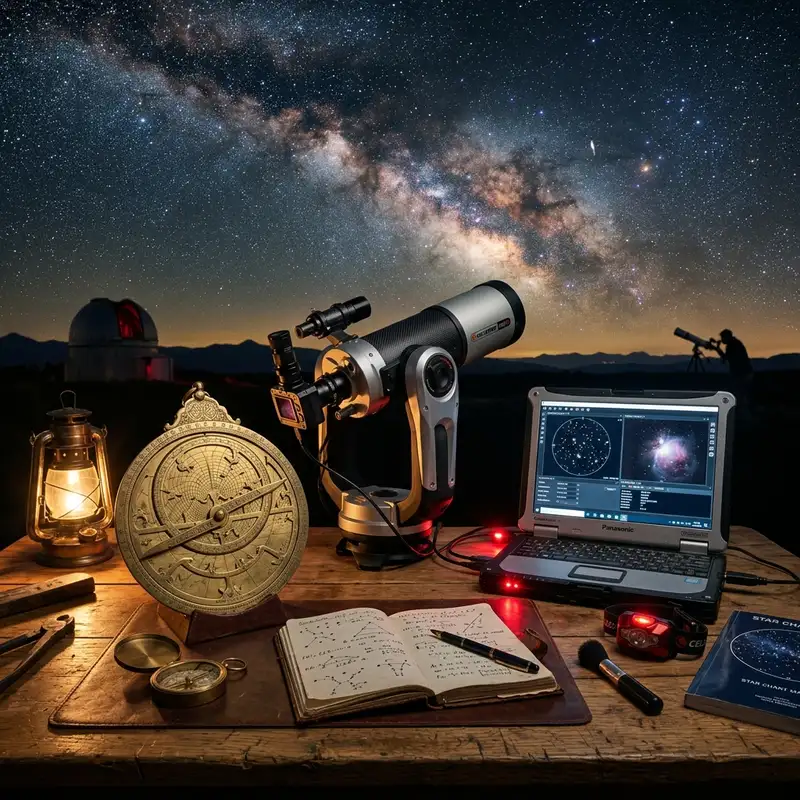
Every year across the United States, millions of American Muslims experience an abrupt shift in their daily routines when Daylight Saving Time (DST) begins in spring and ends in autumn. Questions frequently arise in Islamic centers and community forums: Why did Fajr suddenly jump from 5:30 AM to 6:30 AM? Why is Jummah prayer scheduled an hour later? Did the actual prayer times change?
1. The Solar Principle: Why the Sun Doesn't Know About DST
In Islamic jurisprudence (Fiqh), all five daily prayers (Salat) are determined strictly by astronomical events governing the earth's position relative to the sun:
- Fajr: True dawn (Subh Sadiq) at 15° solar depression angle.
- Dhuhr: Solar noon (Zawal), the moment the sun crosses the meridian and begins descending.
- Asr: Shadow length equal to the object's height (Standard) or double (Hanafi).
- Maghrib: Complete disappearance of the solar disc below the western horizon.
- Isha: Complete disappearance of twilight (15° depression under ISNA).
The sun follows its precise celestial trajectory regardless of civil laws or time zone adjustments. However, because human society operates on artificial clock standards, shifting the clock hands by ±60 minutes creates an immediate clock shift for every Salat.
2. Impact on Friday Jummah Congregational Prayers
One of the most practical consequences of DST in North America is the scheduling of Jummah (Friday prayer). Because Jummah must be prayed during the time of Dhuhr (after solar noon):
- Standard Time (Winter): Solar noon occurs between 11:45 AM and 12:20 PM in most US cities. Mosques often schedule Jummah Khutbah at 12:30 PM or 1:00 PM.
- Daylight Saving Time (Summer): Solar noon jumps to between 12:45 PM and 1:20 PM. Mosques are legally required in Fiqh to delay Jummah until after the new solar noon, typically shifting Khutbahs to 1:30 PM, 2:00 PM, or running multiple shifts.
3. DST and Ramadan Fasting (Suhoor & Iftar)
When Ramadan coincides with Daylight Saving Time transitions, worshippers often feel the psychological impact of clock changes:
- Iftar Time: In summer with DST active, sunset in northern states like Michigan, New York, or Washington can be as late as 8:45 PM to 9:15 PM.
- Suhoor & Fajr: While the fasting duration (the number of solar hours between dawn and sunset) remains the exact same, having a 5:00 AM Fajr instead of 4:00 AM allows people to align their wake-up times closer to typical American work schedules.
4. States That Do Not Observe Daylight Saving Time
Not all areas in the United States observe DST. If you live in or travel through:
- Arizona: Does not observe DST (except the Navajo Nation). Prayer times follow continuous Mountain Standard Time (MST) all year.
- Hawaii: Does not observe DST and remains on Hawaii Standard Time (HST) year-round.
Our website, PrayerTimesUSA.org, automatically detects state-specific DST rules to provide 100% accurate, synchronization-free schedules 365 days a year.
5. Frequently Asked Questions (FAQ)

Check Today's Verified Prayer Times in Your City
Access real-time Fajr, Dhuhr, Asr, Maghrib, and Isha times calibrated with GPS coordinates and ISNA standards across 189+ American cities.